How to Plan Your Trip to French Polynesia
Why It’s Worth the Effort, and What Makes It Tricky
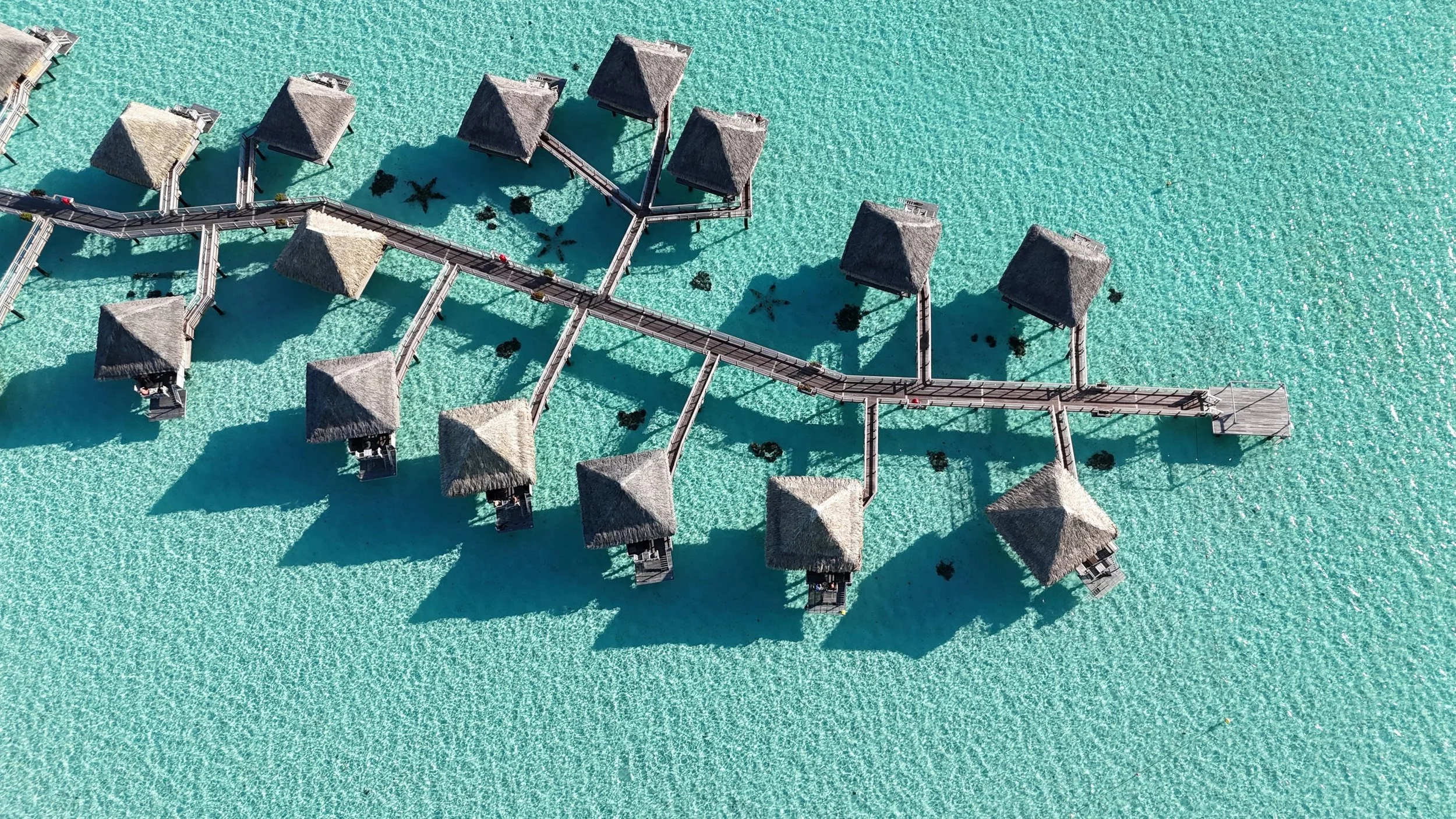
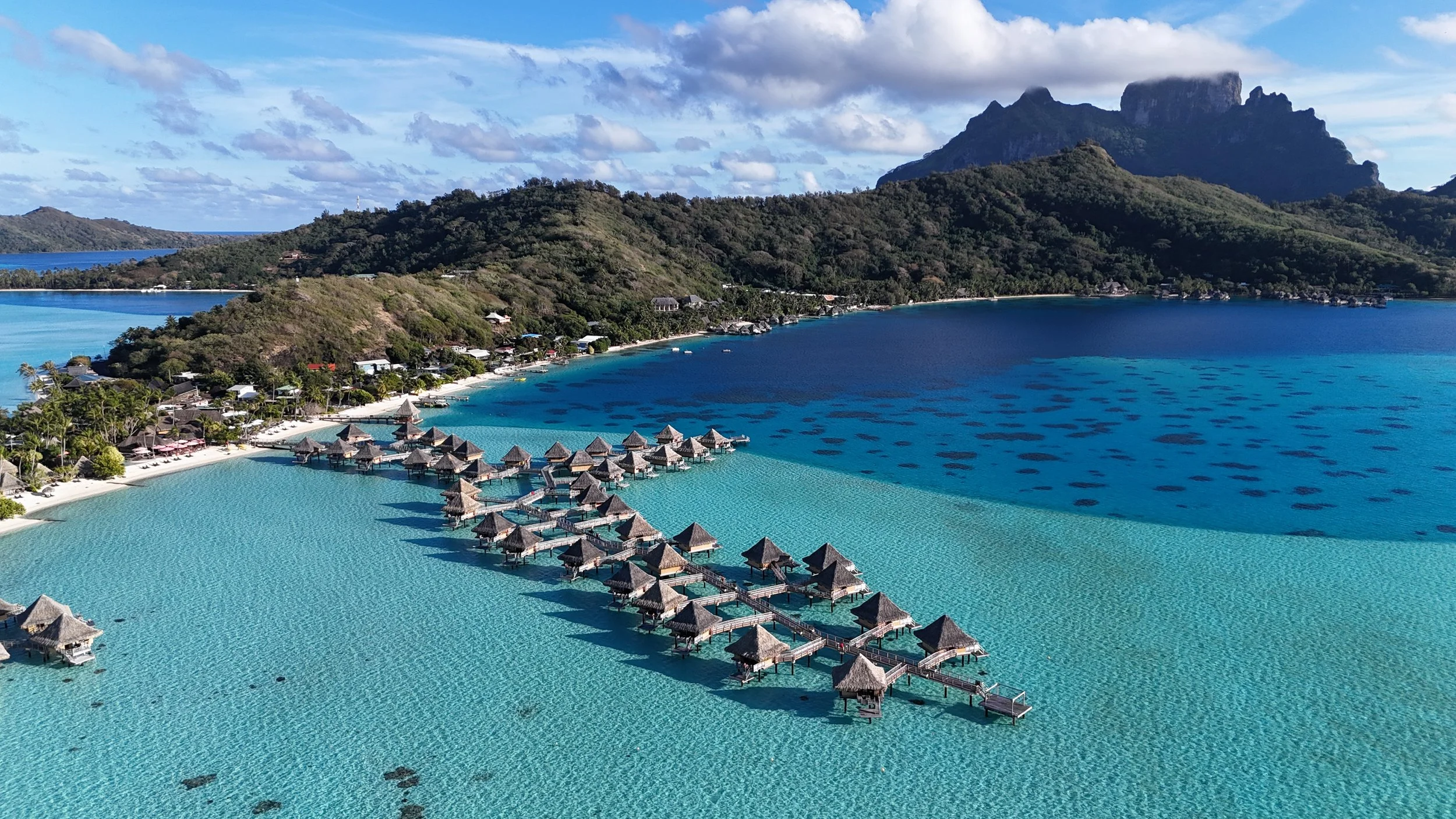
French Polynesia is often seen as a “bucket list” destination, clear lagoons, coral reefs, and the famous over-water bungalows. It’s also one of the most isolated places you can visit, spread across a huge area of the Pacific Ocean. That distance, combined with the number of islands, makes planning a trip here more complicated than most destinations.
Flight schedules are limited, connections aren’t always straightforward, and organising accommodation can take patience. But with the right approach, travelling through French Polynesia is completely achievable, and every bit as rewarding as you’d expect.
This guide explains how to get there, how to move between the islands, how to plan your route and book accommodation, and how to make the whole process less stressful and far more enjoyable.
Getting There and Travelling Between the Islands
International Arrivals
French Polynesia has one main international gateway: Faa’a International Airport (PPT) in Tahiti. All long-haul flights arrive here, no matter where you’re coming from.
You can fly directly to Tahiti from a few major hubs, including Los Angeles, San Francisco, Auckland, Tokyo, and Paris (usually via Los Angeles). The main airlines serving these routes are Air Tahiti Nui, French Bee, and Air France. Once you land in Tahiti, you’ll need to connect to domestic flights to reach the other islands.
Internal Flights
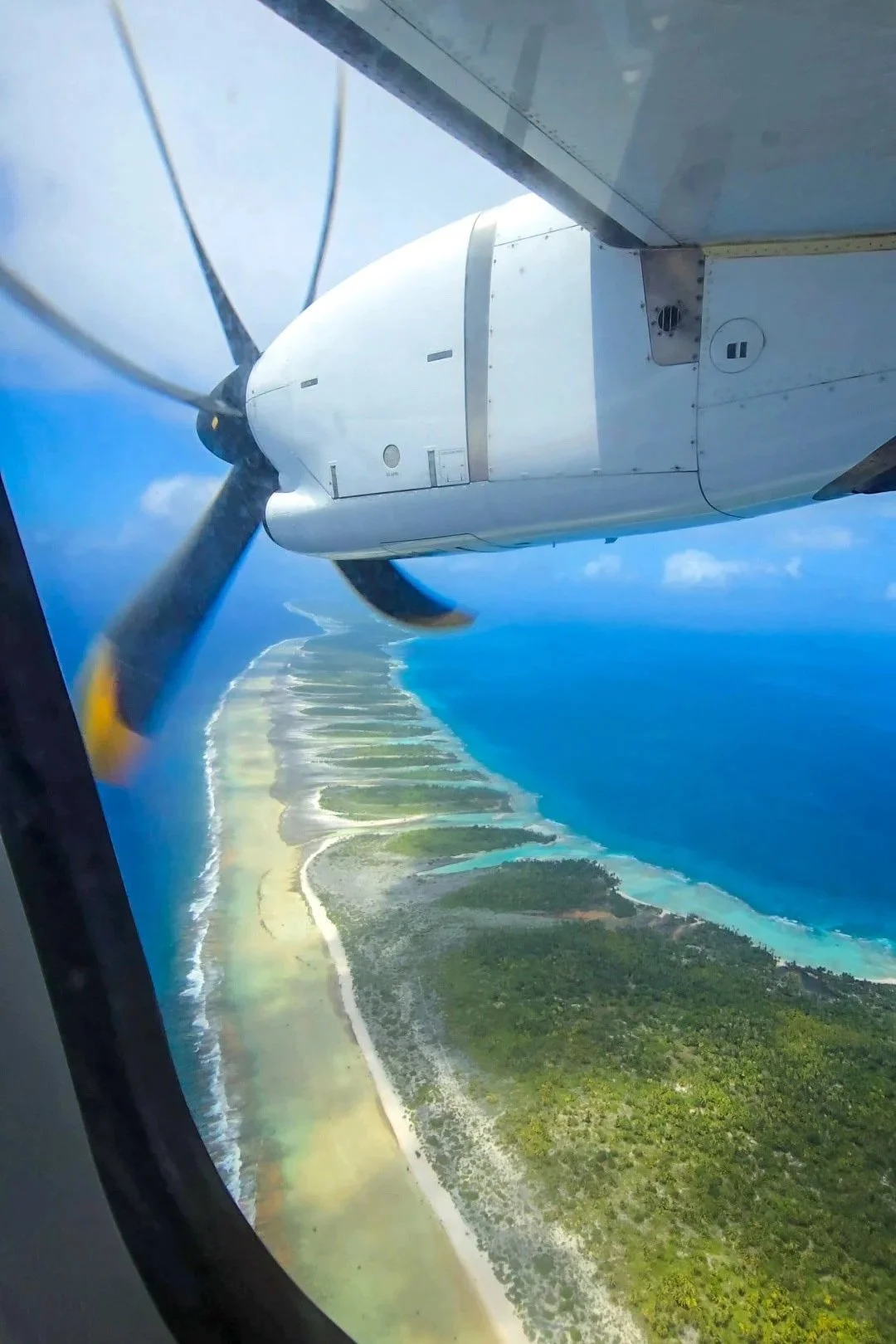
Once in Tahiti, almost all travel between islands is done by air, with the exception of short ferry connections (mainly between Tahiti and Moorea).
The main domestic airline is Air Tahiti, which connects around 40–50 islands across all the archipelagos. Air Moana is a newer carrier operating mainly in the Society and Tuamotu islands. Flights use small planes, so schedules are more limited, and seats can sell out quickly, especially in high season.
One important detail many travellers miss is that you can’t always fly between any two islands directly. Some routes only operate on specific days, and others require a connection back through Tahiti. For example, to go from Maupiti to Rangiroa, you might first have to fly back to Papeete.
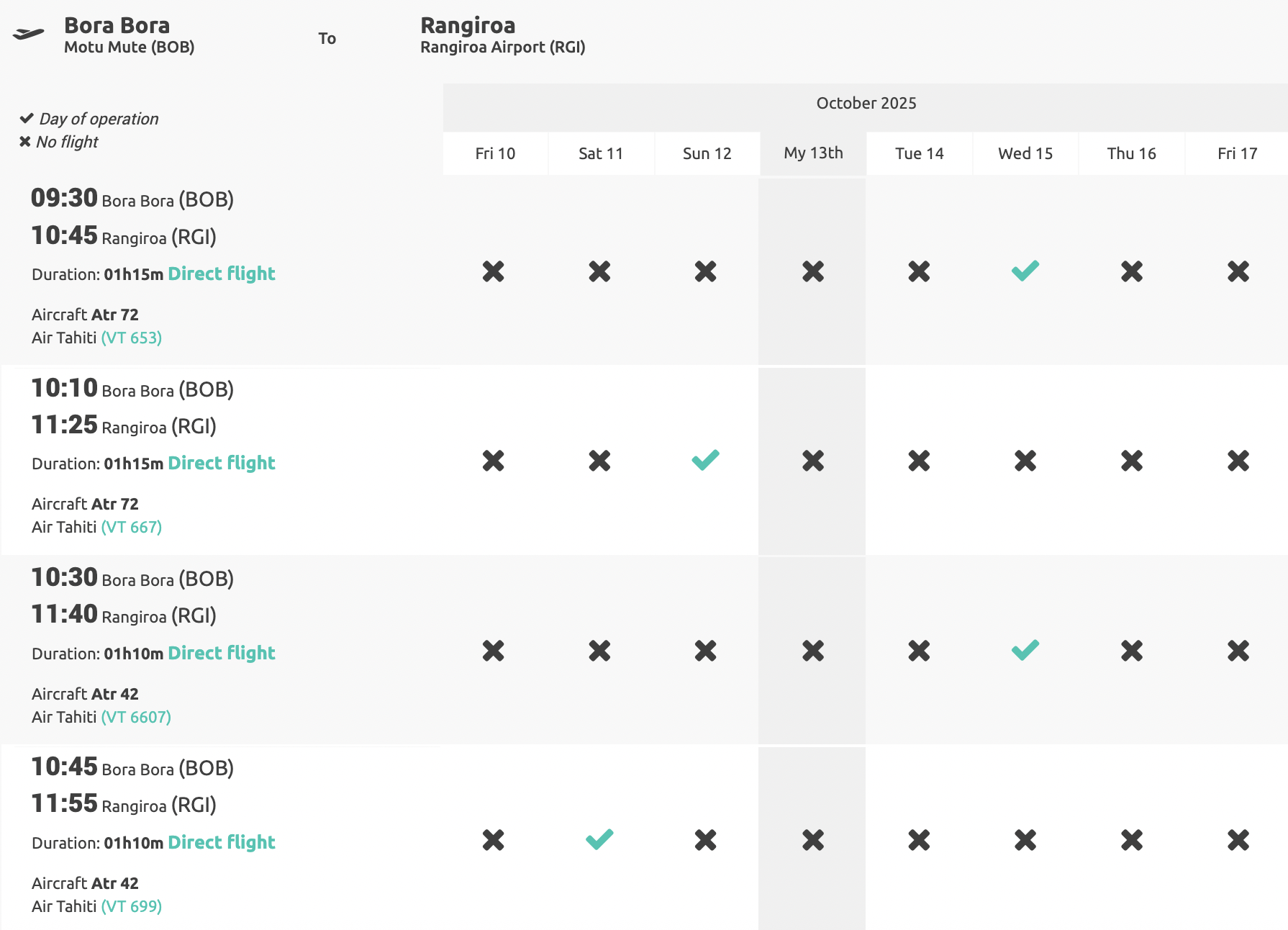
The best way to plan is to check Air Tahiti’s flight schedules page, where you can select the islands you want to visit and see exactly which days flights operate. This makes it much easier to build your itinerary around the available routes instead of trying to fit the flights into your ideal plan.
Shown below is a sample from Air Tahiti’s schedule tool — an essential page to check when arranging your inter-island flights.
Tips for Flying Between Islands
Flights don’t run every day on all routes, so check schedules early.
Most travellers end up flying in and out of Tahiti between island groups.
Try to fly in the morning — weather tends to be calmer, and delays are less likely.
Leave buffer time before your international flight home in case of cancellations or schedule changes.
Baggage limits are stricter than international flights, so pack light. Air Tahiti allows 23 kg checked luggage + 5 kg carry-on per person.
Multi-Island Passes
To make multi-island travel easier (and most times much cheaper), Air Tahiti offers “multi-island passes”.
What is a pass, and how it works
A pass bundles multiple domestic flights under a single ticket, typically valid for up to 28 days (or up to 40 days when extended for Austral or Marquesas additions).
Passes must start and end in Tahiti (Papeete). You cannot arbitrarily start at another island or return to a different one.
The routes covered by the pass typically form a closed circuit (you move from island to island in a loop rather than backtracking).
While passes list multiple islands, you are not required to visit every island listed — you can often skip some. But a minimum of two islands must be visited.
When a pass covers multiple archipelagos (for example, Society + Tuamotu), once you leave archipelago A to B you usually cannot return to A under the same pass.
Price of the pass is fixed, regardless of how many of the included flights you use (within the allowed island list).
Thus, to use a pass effectively, you must first select the group of islands / archipelagos to include, then design a route that matches the pass’s constraints and fits available schedules.
Types of passes & indicative pricing
Here are some of the Air Tahiti passes and approximate (adult) prices in recent years:
-
Visit two islands from among Huahine, Raiatea, Bora Bora (Society Islands)
-
Society Islands including Bora Bora, Huahine, Raiatea (and via Raiatea to Tahaa)
-
Society Islands: includes Huahine, Raiatea, Bora Bora, Maupiti
-
Tuamotu Archipelago (atolls)
-
Combination: 2 islands from Society (Huahine, Raiatea, Bora Bora, Maupiti) and 1 island from the Tuamotu group (Rangiroa, Tikehau, Fakarava)
-
Society Islands + Tuamotu islands (a broader combination)
-
The Marquesas Islands (via Tahiti → Marquesas)
-
The Austral Islands (southwest of Tahiti)
Note: these prices may vary with season, demand, and currency fluctuations. Some traveler reports note issues when trying to book these passes (e.g. quoted a higher price than listed) so always confirm directly via Air Tahiti.
Because the pass price is fixed, if you only take a few flights, it sometimes is cheaper to buy individual tickets instead. Conversely, if you plan to visit 3–4 islands, a pass usually becomes cost-effective.
Booking the pass (tips & pitfalls)
Use the Air Tahiti flight schedule tool first to check which flights operate on which days for the islands you want to visit. Only then decide which multi-island pass suits your route.
Tip: When booking with a multi-island pass, make sure you already know your exact travel dates and that flights actually operate on those days. If you enter a destination for a day when there’s no scheduled flight, the booking page will keep showing error messages and you’ll have to start the whole process again — which can be frustrating.
The pass must also follow the required circuit: for example, you can’t start in Moorea, fly to Bora Bora, and then back to Tahiti if that route doesn’t fit the pass structure. Availability can be limited, so it’s best to book early, especially during peak season.
A pass can save a lot of money and simplify planning — as long as your itinerary matches its routes and schedule. Otherwise, you may end up with gaps or additional one-way tickets to fill.
In effect, the pass is your best friend for island hopping if your itinerary aligns with its structure and schedule. Otherwise you risk gaps or extra costs.
A few extra tips when choosing your pass:
If it’s your first time in French Polynesia, it’s best to focus on the Society Islands (Tahiti, Moorea, Huahine, Raiatea, Bora Bora, Maupiti).
If you want to include a second island group, go for the Tuamotu atolls, especially Rangiroa or Fakarava — they’re well connected and offer a completely different landscape.
The passes to look at in these cases are the Bora Bora Pass or the Bora–Tuamotu Max Pass — they cover all the main highlights without overcomplicating your route.
How to Build Your Island Itinerary
Given the constraints, here is a recommended approach:
Select islands / archipelagos of interest first
Decide whether you want to stick to the Society Islands (e.g. Tahiti, Moorea, Bora Bora, Huahine, Raiatea, Maupiti) — which is easier — or expand to Tuamotu (atolls), Marquesas, or Austral. For first-timers, the Society + maybe Tuamotu is ideal.
Use the Air Tahiti schedule tool
Enter your candidate islands and view the flight days. See which islands connect on which days and at what times. This reveals feasible sequences and necessary “dead days” (when no flights depart/arrive).
Sequence your route to avoid backtracking
Because many flights route via Tahiti or must follow a circuit, plan a loop (for example: Tahiti → Huahine → Raiatea → Bora Bora → Maupiti → back to Tahiti). Or combine Society then Tuamotu (e.g. Tahiti → Bora Bora → Rangiroa → Fakarava → return). Avoid switching back and forth across archipelagos if possible.
Assign days per island carefully
Some islands may justify only 2–3 nights (if you’re there to snorkel, dive, relax). Others (especially atolls or remote islands) may take time just to get there. Also, allow “slack” days in case flights shift or get canceled.
Ensure your start / end is in Tahiti
Because passes demand starting and ending in Tahiti, your loop must close there. If your international arrival or departure is out of Tahiti, align your first or last domestic leg accordingly.
Buffer time & relation to international flights
Avoid scheduling a domestic leg too close to your international arrival or departure. If delays occur, you may lose connecting domestic flights. Where possible, spend your first or last night in Tahiti itself.
Backup plan
In case a flight is canceled or you miss a connection, know which alternative flights or islands might be reachable, or where you can “pause” a few days. Remote islands sometimes don’t have redundancy.
Flexibility vs. ambition
It’s tempting to try to “see everything”, but due to flight constraints, fewer well-sequenced islands often makes for a smoother trip and less stress.
Here’s a sample 2 weeks’ itinerary (for a first-time traveler):
Day 1: Arrive Tahiti, overnight in Papeete
Day 2–4: Moorea (easy, frequent ferry or flight)
Day 5–7: Huahine → Raiatea
Day 8–10: Bora Bora (optional Maupiti if flights align)
Day 11–13: Rangiroa (or Fakarava in the Tuamotu Islands)
Day 14: Return to Tahiti, depart
This offers a balance of “classic islands” and atoll experience, without too many transfers.
Accommodation: Booking, Communication, & Constraints
Securing places to stay can be deceptively difficult on smaller islands. Here are key points:
Booking methods and response times
On most islands, standard booking platforms (Booking.com, Airbnb, Agoda) work fine. But on remote islands or small guesthouses, proprietors may take time to respond or manually confirm bookings.
Do not assume immediate confirmation just because you see a “book now” button; often the host must manually accept. That uncertainty can feel stressful, especially when coordination with flights is tight.
Some guesthouses or pensions may require email or direct contact with the owner (not via a platform). Expect slower reply times.
Limited inventory and necessity of advance booking
On smaller or remote islands (e.g. Maupiti), there may be no hotels at all, only a few guesthouses or pensions. Rooms fill really early.
Because of low supply, once a desirable option is gone, there may be no fallback. Booking well in advance, especially for mid-season or honeymoon periods, is essential.
In peak season, some islands may be fully booked months ahead. Always have a backup island or guesthouse.
Payment, deposits, cancellations
Many guesthouses may request a deposit (bank transfer or credit card) to confirm a booking. Confirm cancellation policy (some are non-refundable).
On some islands, services (electricity, water, staffing) may be limited; be flexible in expectations (e.g. fewer amenities, intermittent WiFi).
Staying in Tahiti / Papeete
Don’t neglect the need to overnight in Tahiti (Papeete) at either the start or end (or both) of your trip, to buffer against flight delays and give yourself a “landing zone.” This also gives time for final logistics (SIM card, supplies, etc.).
Overview of Island Groups and What to Expect
Knowing how the different archipelagos differ helps in selecting which to include.
Society Islands
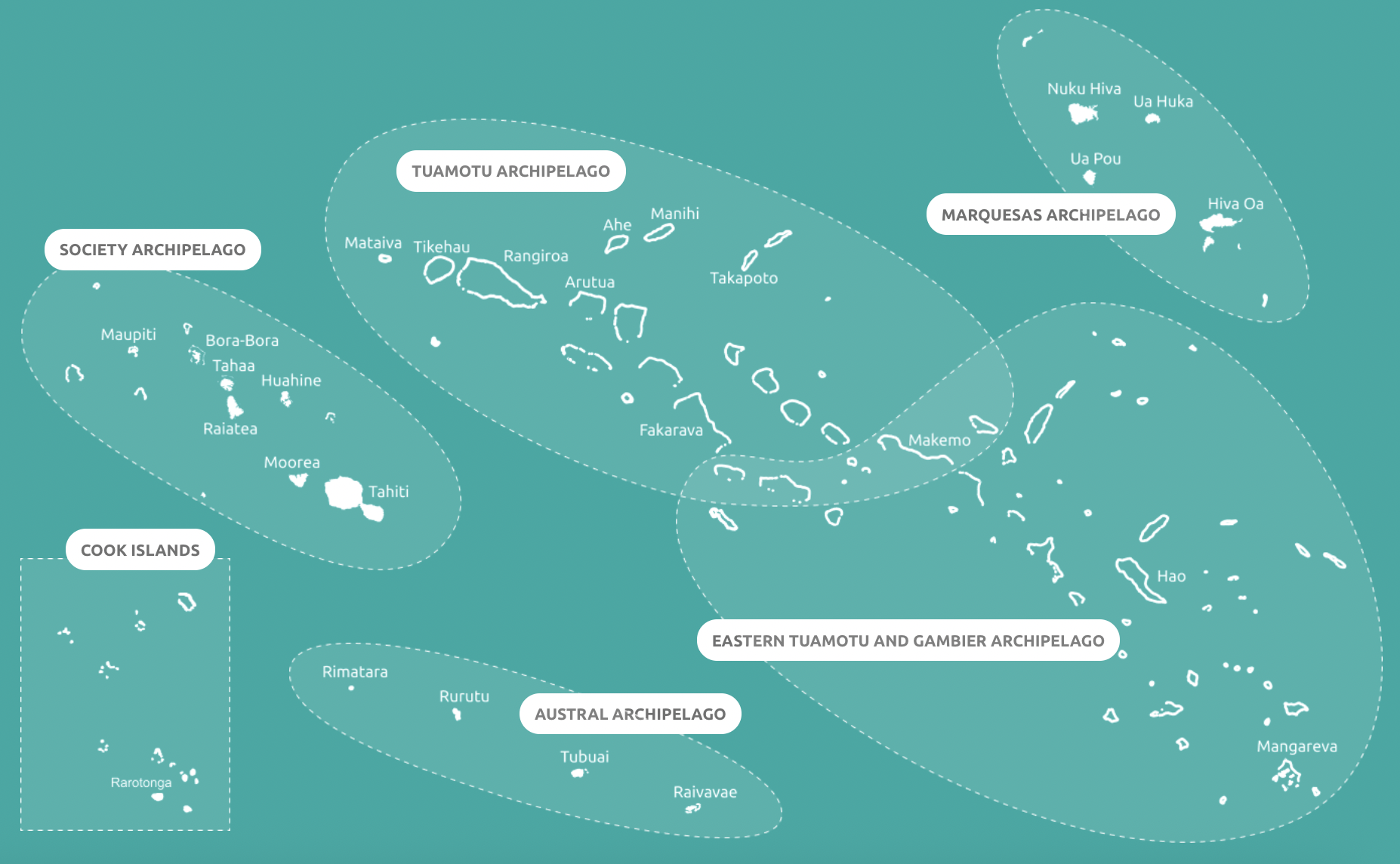
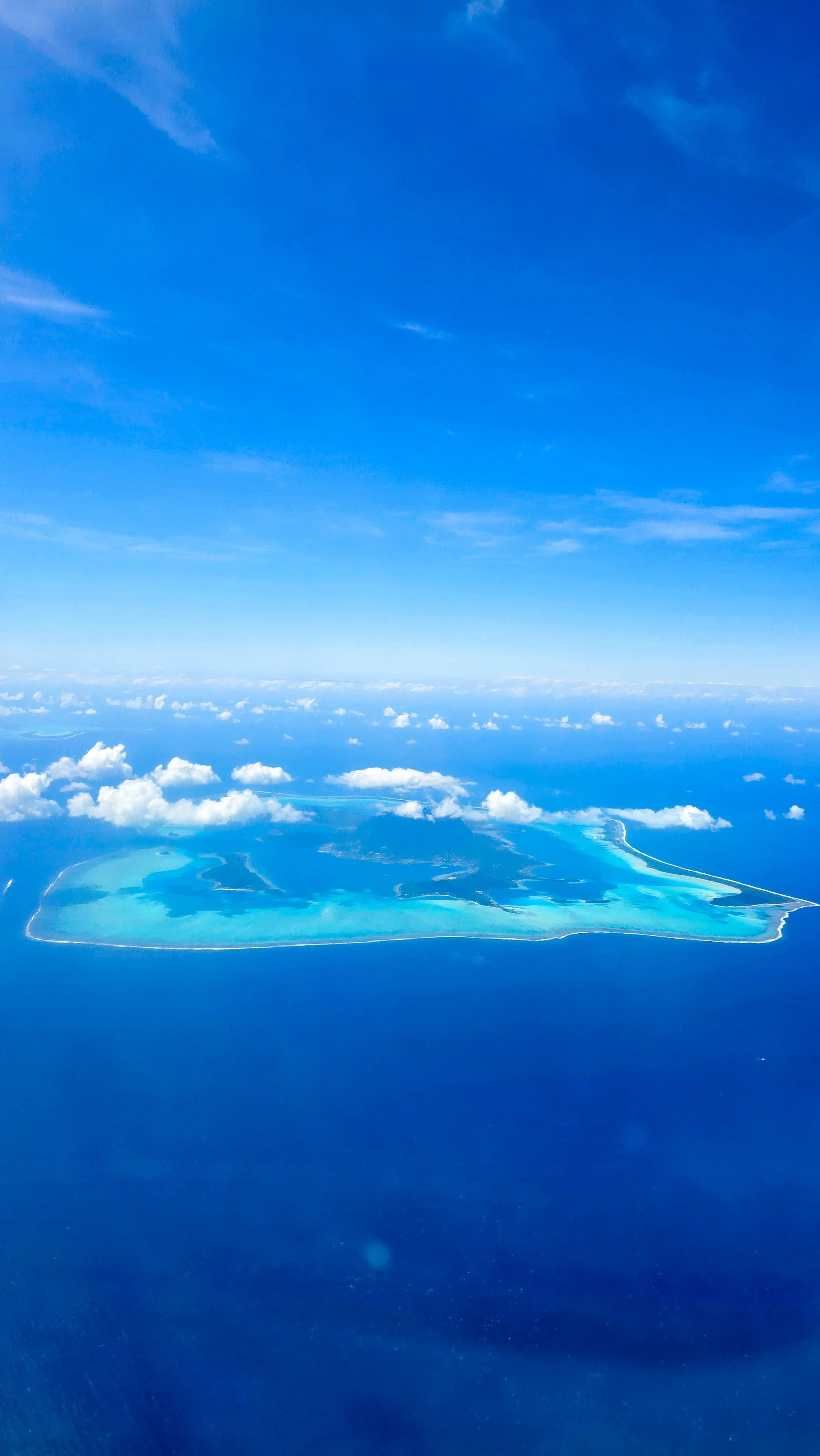
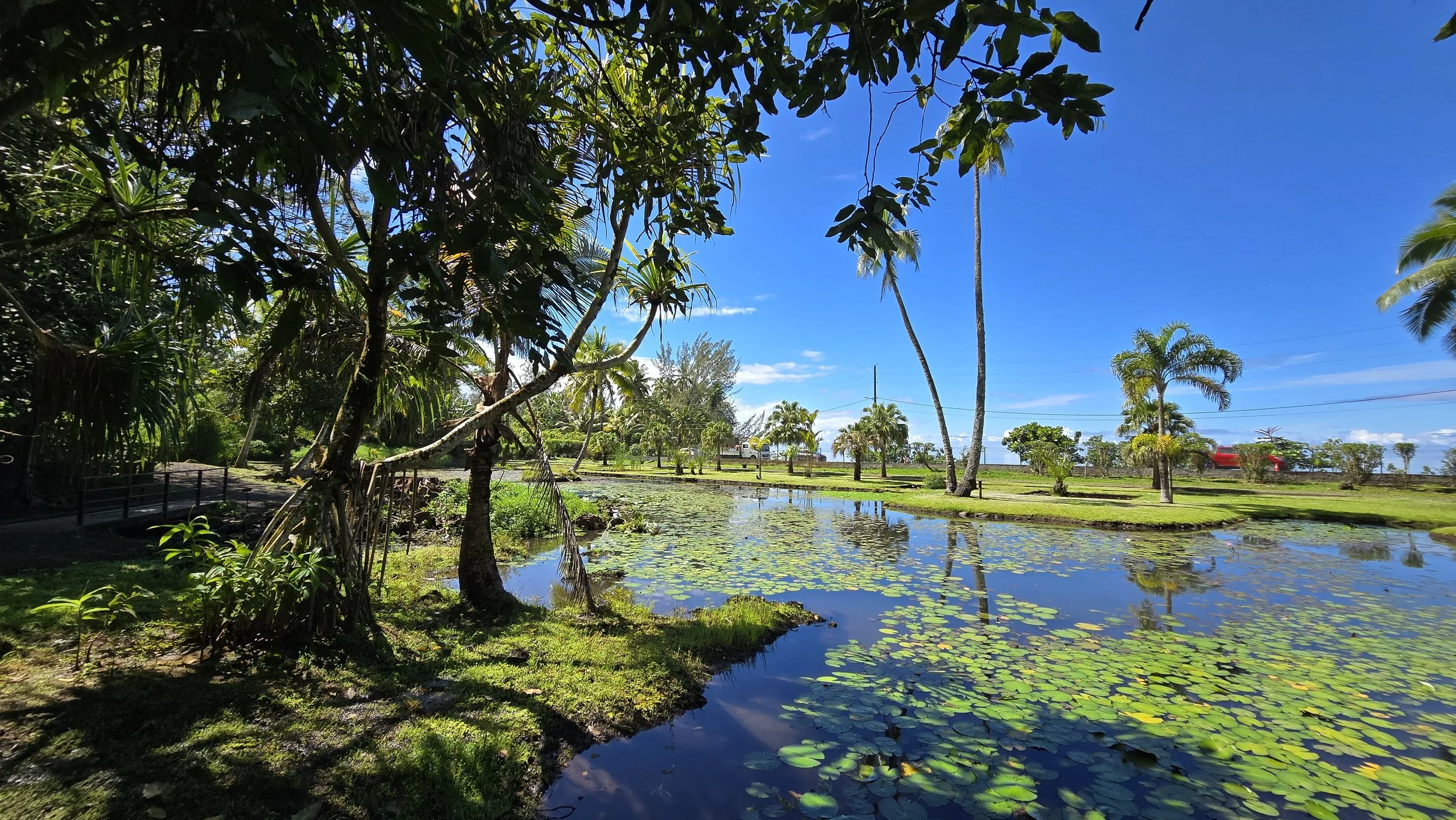
These are the “classic” islands of Tahiti, Moorea, Bora Bora, Huahine, Raiatea, Maupiti. They generally have mountainous cores, lush vegetation, inner lagoons, and barrier reefs. Many have good infrastructure and a variety of lodging options.
Tahiti: hub, largest island, a mix of urban and natural landscapes.
Moorea: very accessible, lush, good for hiking, snorkeling, and as a first stop.
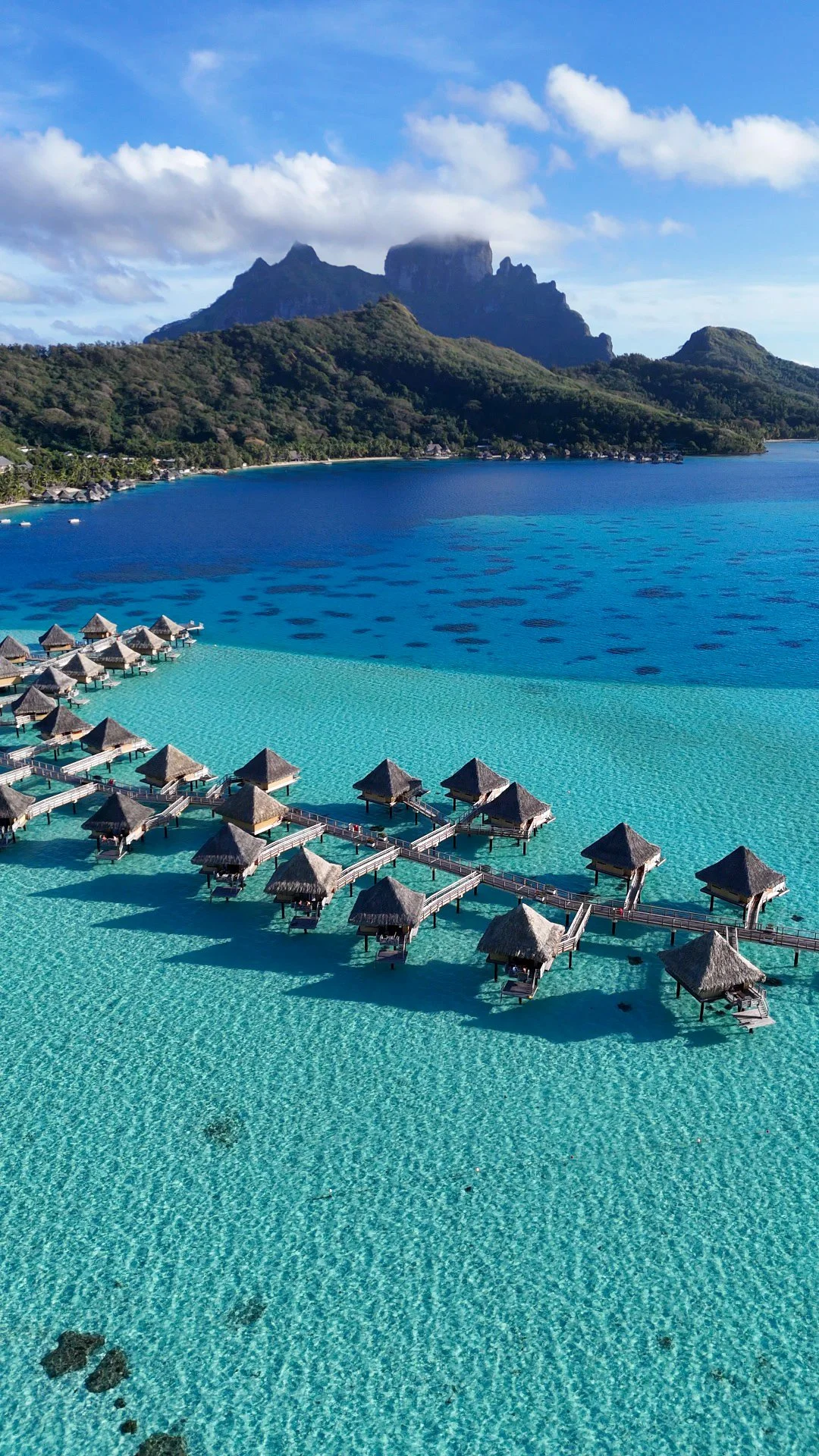
Bora Bora: iconic lagoon, luxury resorts, overwater bungalows.
Huahine, Raiatea, Maupiti: quieter, more local feel, still scenic — Maupiti is small and remote (few options).
Because these islands are relatively close, internal flights are more frequent and connections often exist without always returning to Tahiti.
Tuamotu (Atolls)
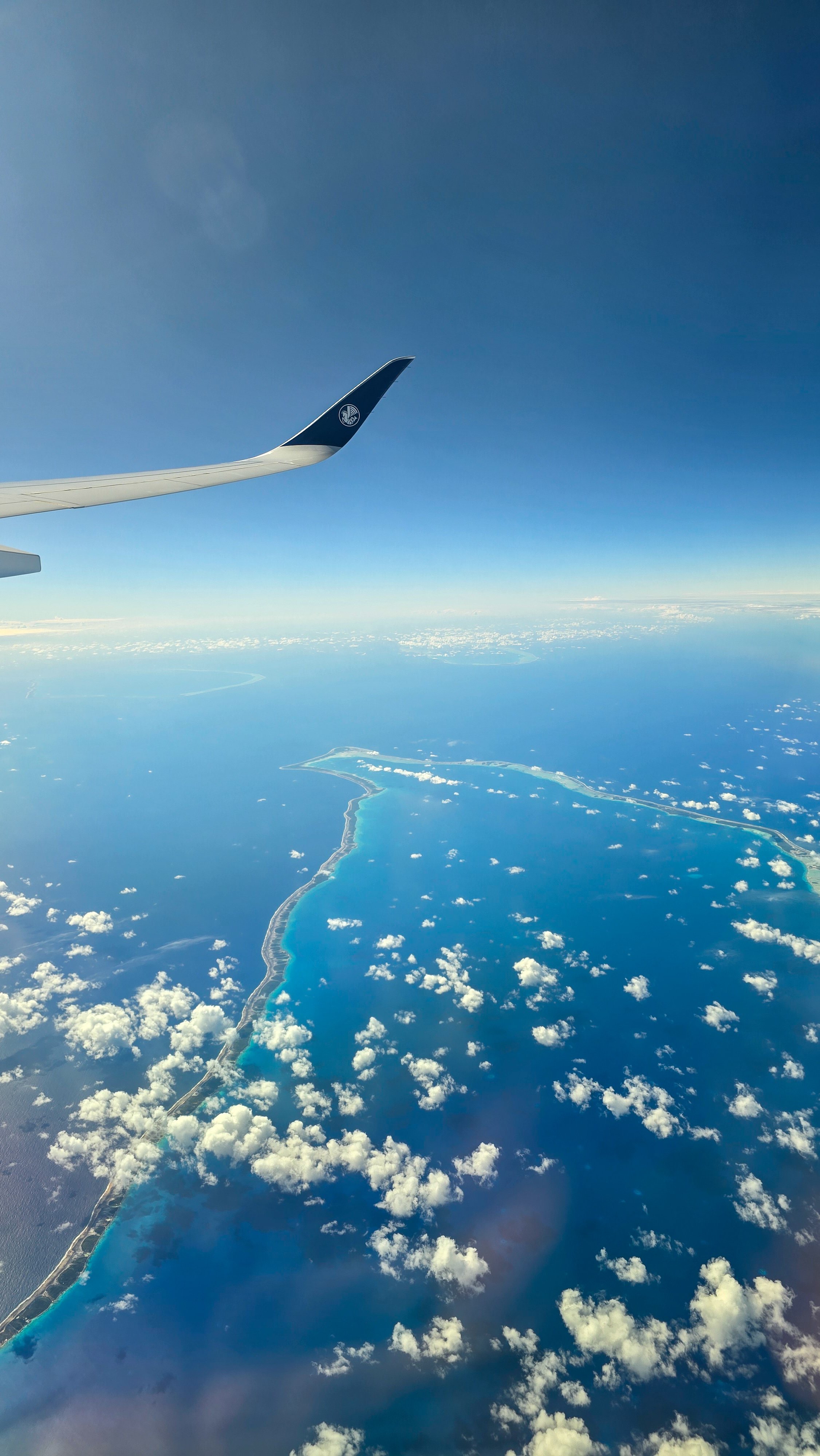
These are low-lying coral atolls with lagoons, often ring-shaped reefs. Very different from the mountainous islands. Places like Rangiroa, Tikehau, Fakarava are known for diving, manta rays, sharks, and remote lagoon snorkeling.
Flights to and between atolls are less frequent. Air Tahiti passes or legs often link atolls in a chain. Because there are fewer alternate transport modes (boats are often not regular), the schedule constraints are stronger here.
Marquesas Islands
Far to the northeast, the Marquesas are rugged, steep, and less reef-bound. The scenery is dramatic (cliffs, valleys, wild terrain). But travel here is more challenging and flights are scarcer. Suitable for travelers seeking remote, off-grid Polynesia.
Austral & Gambier Islands
These are further south or east, more remote still. The Austral Islands are known for whales (in season), birdlife, and very rural, quiet islands. Gambier is remote and often reached via long flights or combination routes.
Recommended Combinations for First-Time Visitors
For someone visiting French Polynesia for the first time, here are two strong combinations:
Option A: Society Islands Only
Tahiti → Moorea → Huahine → Raiatea → Bora Bora (optional Maupiti) → back to Tahiti
This allows a more relaxed pace, fewer transfers, and more buffer.
Ideal for seeing the “classic” Polynesia experience with mountainous, lagoon, and reef contrasts.
Option B: Society + Tuamotu Atolls
Tahiti → Moorea → Bora Bora → Rangiroa → Fakarava → return to Tahiti
This adds the contrast of coral atolls and underwater life without venturing into the very remote Marquesas or Austral zones.
If time permits and schedules align, an extension to Marquesas or Austral islands can provide an additional dimension — but these require more logistical effort and fewer flight options.
A visit of 10–14 days is a practical minimum for combining islands, and 3 nights per island (or more) is often safer than 2, especially when flights are limited.
Additional Tips & Caveats You Shouldn’t Forget
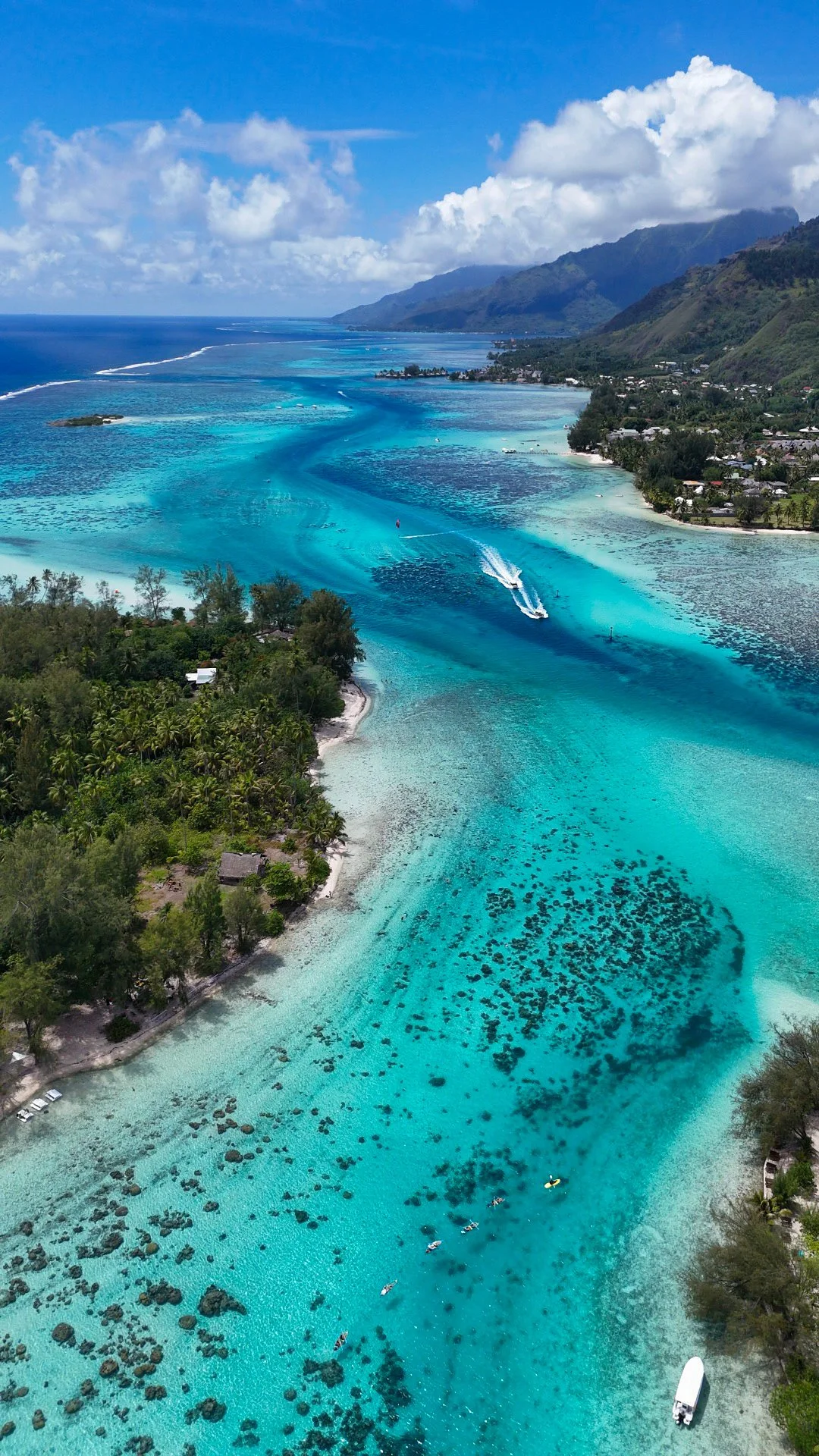
Best time to visit: The dry season (May–October) is generally the most pleasant time, though it’s also the busiest.
Allow buffer days: Because domestic service can be disrupted (weather, mechanical), avoid overly tight schedules.
Be flexible: Accept that plans may shift; travel in French Polynesia is as much about adaptation as precision.
Don’t over-ambition: Trying to hit every island will lead to wasted time in transit. Aim for depth over breadth.
Internal flight cancellations: On rare occasions flights may be cancelled; always monitor status and have a backup plan.
Connectivity & supplies: Remote islands may have limited stores, internet, or electricity reliability. Plan accordingly.
Health & safety: Bring essentials (medications, sunscreen, insect repellent) since remote islands may lack pharmacies.
Cultural respect: Respect local customs, environmental measures, and local rhythms — many islands are small communities.
Currency & payments: In remote guesthouses, cash may be required or preferred. Carry some local currency early.
Insurance & contingency: Ensure travel insurance includes cancellations, medical emergencies, and delays.
Plan as early as possible: The more remote the island, the earlier you must book flights and lodging.
Summary & Planning Workflow (Checklist)
Here’s a quick workflow you can follow (or adapt for your readers) when planning:
Decide your duration (10, 12, 14 days) and general ambition (Society only, or include Tuamotu, or further).
Choose candidate islands/archipelagos you wish to see.
Use Air Tahiti’s flight schedule tool to check days, times, and possible connections among those islands.
Compare possible multi-island pass options to see which pass (if any) fits your island list.
Sequence your route into a feasible circuit (starting/ending in Tahiti), avoiding backtracking.
Assign number of days per island (allow buffer days).
Book domestic flight pass or individual legs early once the route is confirmed.
Reserve accommodations well in advance, especially on smaller islands.
Plan for arrival and departure buffer (stay in Tahiti at start or end).
Prepare for contingencies (flex days, alternate islands) and carry essentials.
At first, planning a trip to French Polynesia might feel like trying to solve a complex puzzle — but once the pieces fall into place, it’s surprisingly straightforward.
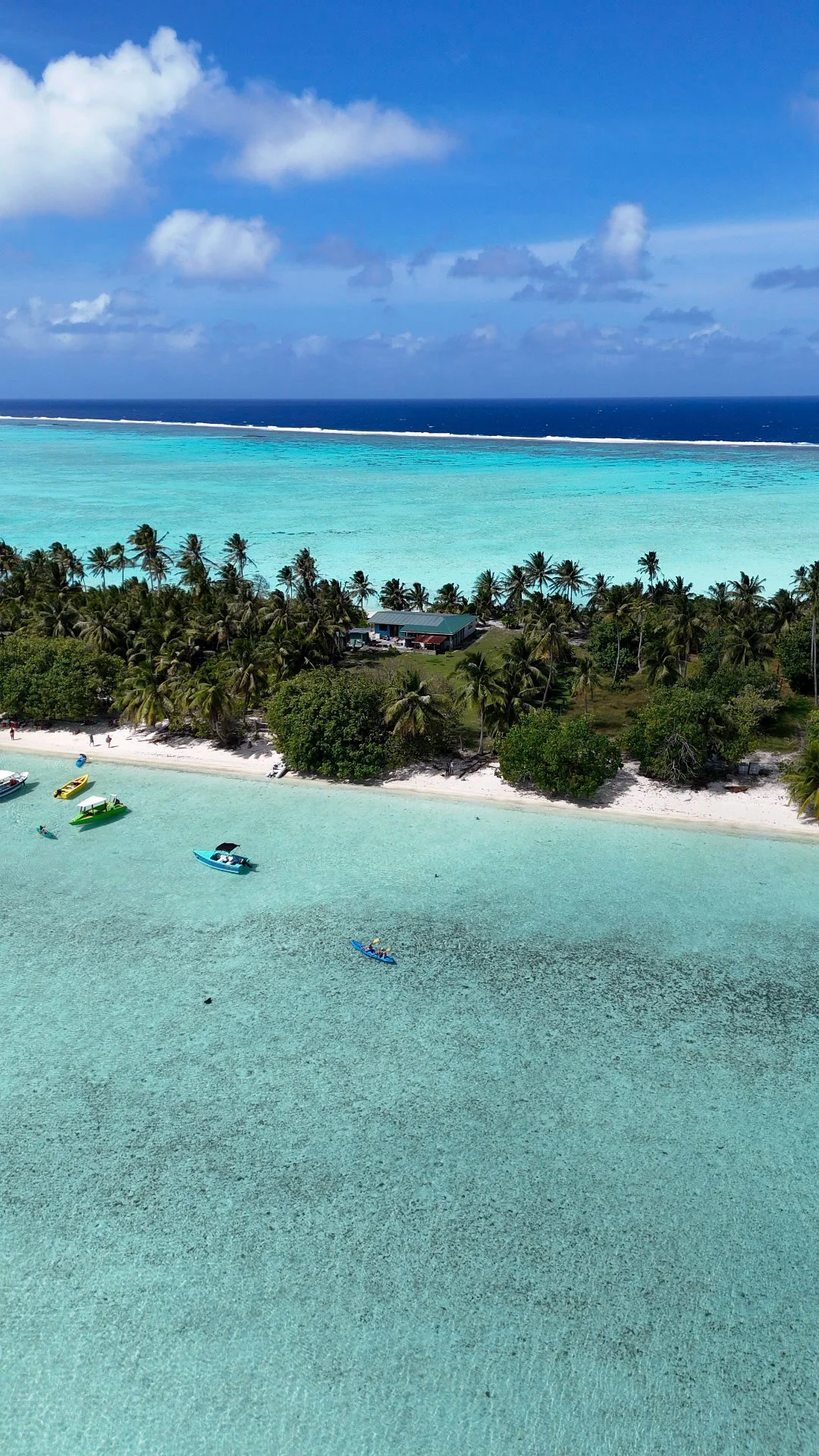
Take the time to plan your flights, keep your schedule realistic, and book early where it matters. After that, there’s nothing left to do but go and enjoy it. Because once you’re standing in that lagoon, watching the sun drop behind the mountains, all the planning will feel completely worth it.